The Essential Guide to Fitness Equipment: Tools for a Healthier You
In today’s health-conscious world, fitness has become more than just a trend — it’s a lifestyle. Whether you’re working out at home, hitting the gym, or training for a sport, having the right fitness equipment can make all the difference. With a wide array of options available, choosing the right tools can be overwhelming. This article breaks down the most common types of fitness equipment, their benefits, and how they support different fitness goals.
1. Cardiovascular Equipment
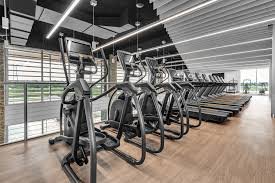
Cardio equipment is designed to get your heart rate up and improve endurance. It’s ideal for weight loss, improving cardiovascular health, and boosting overall stamina.
Popular Cardio Machines:
-
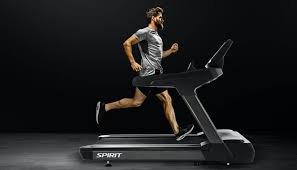
Treadmill: Great for walking, jogging, and running indoors. Many models offer incline features to increase intensity.
-
Stationary Bike: Offers a low-impact option for cardio, particularly suitable for those with joint issues.
-
Elliptical Trainer: Combines the movements of a stair climber and a cross-country ski machine, offering a full-body, low-impact workout.
-
Rowing Machine: Provides a full-body workout, engaging the legs, core, and upper body while also improving cardiovascular endurance.
-
2. Strength Training Equipment
Strength or resistance training builds muscle, boosts metabolism, and strengthens bones. Equipment varies depending on the user’s goals and experience level.
Key Strength Training Tools:
-
Dumbbells: Versatile and compact, great for a variety of upper and lower body exercises.
-
Barbells and Weight Plates: Essential for compound lifts like squats, deadlifts, and bench presses.
-
Kettlebells: Useful for dynamic movements like swings, cleans, and snatches, which combine strength and cardio.
-
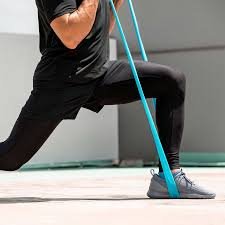
Resistance Bands: Portable and excellent for beginners, rehab, or supplemental exercises.
-
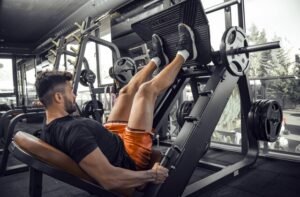
Weight Machines: Found in most gyms, these provide guided movement and help maintain proper form, making them ideal for beginnerr.
-
3. Flexibility and Mobility Equipment
Flexibility equipment supports stretching, balance, and recovery, which are essential for injury prevention and overall performance.
Common Flexibility Tools:
-
Yoga Mats: Provide cushioning and grip for stretching, yoga, and floor exercises.
-
Foam Rollers: Help release muscle tightness and improve blood flow, aiding recovery.
-
Balance Balls and Discs: Improve core strength and stability through balance training.
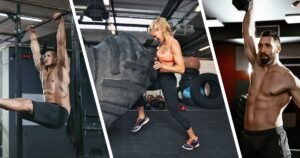
4. Functional Fitness and Cross-Training Gear
Functional fitness focuses on movements that mimic real-life actions. This type of training improves strength, balance, and coordination.
Functional Equipment Includes:
-
Medicine Balls: Ideal for explosive exercises and core work.
-
Battle Ropes: Excellent for high-intensity interval training (HIIT) and full-body conditioning.
-
Plyometric Boxes: Used for jump training to build power and agility.
-
Suspension Trainers (e.g., TRX): Utilize body weight for a full-body workout with a focus on core strength.
5. Smart and Wearable Fitness Technology
Technology has revolutionized fitness, making it easier to track progress and stay motivated.
Notable Fitness Tech:
-
Fitness Trackers & Smartwatches: Monitor steps, heart rate, sleep, and workouts.
-
Smart Home Gyms (e.g., Tonal, Mirror): Offer interactive training sessions and virtual coaching.
-
App-Connected Equipment: Treadmills, bikes, and rowers that sync with apps like Peloton, Zwift, or iFit.
Choosing the Right Equipment
When selecting fitness equipment, consider your:
-
Fitness goals (e.g., weight loss, muscle gain, endurance)
-
Available space (especially for home gyms)
-
Budget
-
Experience level
It’s also important to start with a few basic items and gradually expand your collection as your fitness journey evolves.
Final Thoughts
Fitness equipment plays a crucial role in helping individuals stay active, build strength, and lead healthier lives. Whether you prefer the convenience of a home setup or the variety of a commercial gym, investing in the right tools can significantly enhance your workout experience. Remember, the best equipment is the one you’ll actually use consistently.